By Raafia Muhammad, MD, MPH
While no significant data links ADHD with patient diets, there have been many indications that different types of food and vitamins may help ease ADHD symptoms.
Although there is no magic diet or food to treat ADHD, a balanced diet and healthy lifestyle has been shown to help mitigate symptoms of ADHD. Consuming a diet low in glycemic index (GI) is important in maintaining steady glycemic control and energy. Foods high in GI release glucose rapidly, and this can increase hyperactivity, impulsivity and inattentiveness.
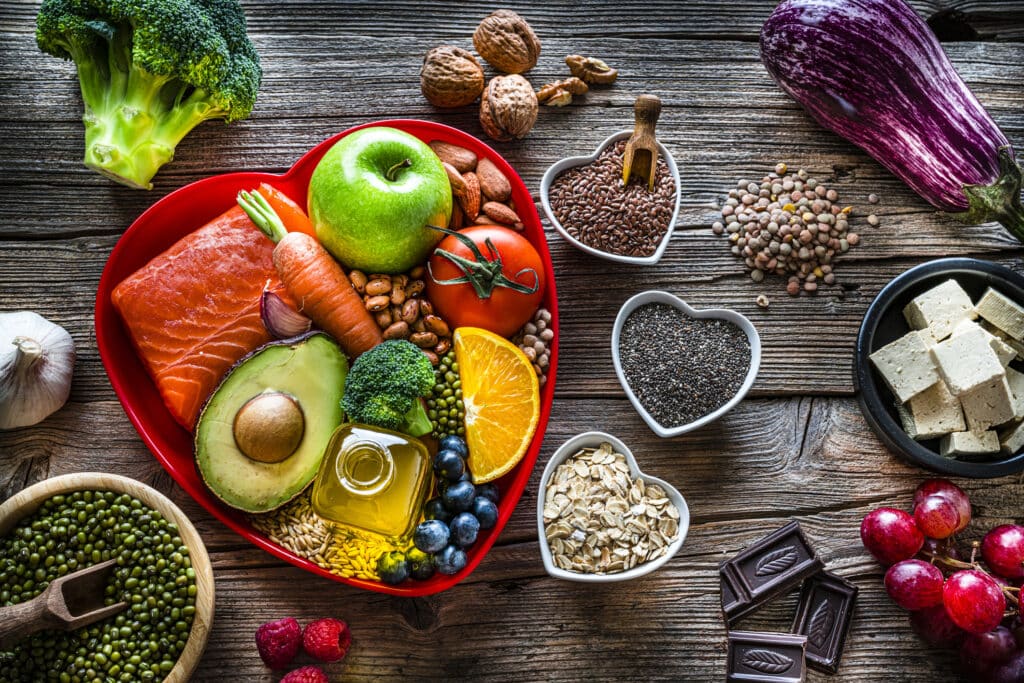
Protein-rich foods – like lean beef, poultry, fish, eggs, beans and nuts – can build neurotransmitters, helping relieve ADHD symptoms. Recommend to patients a healthy intake of zinc, iron and magnesium. Zinc regulates the neurotransmitter dopamine, and low iron levels correlate with cognitive deficits and severe ADHD. Like zinc, magnesium is used to make neurotransmitters involved in attention and concentration, and it has a calming effect on the brain.
We also recommend that those with ADHD avoid sugary foods and artificial dyes. Remind patients to read food labels carefully, looking for and avoiding the following ingredients (code words for sugar): high-fructose corn sweetener, dehydrated cane juice, dextrin, dextrose, maltodextrin, sucrose, molasses and malt syrup.
For more tips, check out the Cookbook for Busy Minds e-book by CHADD.
This content is for informational purposes only and is not a substitute for professional medical advice, diagnosis, or treatment. Always seek the guidance of a licensed healthcare provider with any questions you may have regarding a mental health condition. If you or someone you know is in crisis, call or text 988 (Suicide & Crisis Lifeline) or call 911 for a medical emergency.